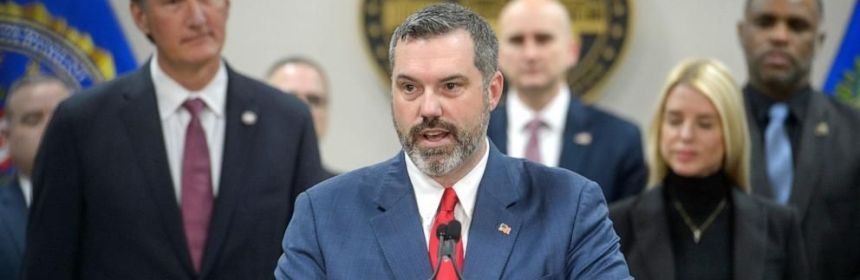
DOGE Records Deleted From NLRB Amid Investigation

In April 2025, federal IT staffer Dan Berulis filed a whistleblower complaint with Congress alleging that members of the Department of Government Efficiency (DOGE) had accessed and potentially exfiltrated sensitive information from the National Labor Relations Board (NLRB). Shortly after filing the complaint, Berulis discovered that his car’s brakes had been cut following a minor accident near his home. The NLRB’s Office of the Inspector General opened an investigation in May 2025, which remains ongoing.

A Government Accountability Office report released in April 2026 examined DOGE’s access to NLRB systems but conspicuously covered only the period after Berulis’ complaint was filed. The report’s footnotes revealed that in August 2025, after DOGE members departed the NLRB, the agency deleted team member accounts and associated access records before GAO investigators could observe the systems. This deletion eliminated digital evidence of what data DOGE members accessed and when, preventing confirmation of statements made to investigators. According to Don Moynihan, a University of Michigan public policy professor, the report “raises more questions than it resolves, such as who deleted the data.”

Berulis’ complaint alleged that DOGE officials demanded the highest level of access to NLRB systems, including “tenant owner” accounts with unrestricted permission to read, copy, and alter data, exceeding even the agency’s chief information officer’s access. The NLRB enforces labor laws and investigates unfair labor practices, giving it access to whistleblower identities, testimony, trade secrets, and investigative materials. The GAO acknowledged interviewing NLRB staff about DOGE’s access levels but could not verify their accounts because the accounts had already been deleted. Justin Fox, Nate Cavanaugh, and Jordan Wick were all at the NLRB at various points, but no specific DOGE members are named in the report or Berulis’ complaint.

The deletion of these records violates the General Records Schedule, which mandates that agencies retain access records from systems containing personally identifiable information for six years. The two systems DOGE accessed, the Electronic Official Personnel Folders and the Federal Personnel and Payroll System, both contain federal workers’ personal information. Dan McGrath, senior oversight counsel at Democracy Forward, stated the deletion “violates the Federal Records Act because it’s not preserving their activities.” Michael Duff, a former NLRB lawyer and Saint Louis University law professor, called the deletion “irregular and almost certainly contrary to practice,” noting that deleting data during an ongoing inspector general investigation compounds the concern. WIRED previously reported that DOGE members used encrypted messaging with auto-deleting features, which experts warned could violate federal record retention laws.

The deletion may not be isolated; Berulis’ complaint documented evidence that a DOGE account may have been created and deleted from NLRB cloud systems as early as March 6, 2025. Elon Musk, who led DOGE and owns Tesla and SpaceX, has financial interests in NLRB decisions; the agency dropped its case against SpaceX earlier this year, prompting Democratic senators Elizabeth Warren and Richard Blumenthal to request answers on whether the dismissal was politically motivated. In a functioning oversight system, according to Moynihan, this would trigger congressional hearings and sworn testimony, but such accountability remains unlikely.



(Source: https://www.wired.com/story/federal-investigators-say-certain-doge-records-were-deleted/?utm_source=facebook&utm_medium=social&utm_campaign=aud-dev&utm_brand=wired&utm_social-type=owned&fbclid=IwdGRjcAS_jqNwZG9mA2ZkaWQWUKVvhXR3lFy12rLF31dXHiKpftXWLWV4dG4DYWVtAjExAHNydGMGYXBwX2lkCjY2Mjg1NjgzNzkAAR5ZFGZD-T_vJjIKipMGXHUKyO5UDJPcwxTdUCrATGDEfIdliYMkX5jl6p-HwQ_aem_vaPxhHw7M5OzAYT5Um2qgQ)

Trump Threatens Unemployment Benefits Cuts in All States

Donald Trump’s administration is threatening to withdraw federal funding for unemployment insurance administration from all 50 states, marking the first time in history the federal government has wielded this weapon against state programs. Acting Labor Secretary Keith Sonderling warned governors in a letter that the administration would withhold administrative funds to combat what it characterizes as “waste, fraud and abuse” in state unemployment systems, despite nearly 2 million Americans currently receiving those benefits and roughly 229,000 filing initial jobless claims weekly.

The threat targets the federal government’s financial support for state administrative costs, which could force state-run unemployment systems to shut down if implemented. Most states provide approximately six months of unemployment payments to qualified workers, funded primarily through state unemployment taxes paid by employers, with federal support covering administrative operations. Without federal backing, the loss of funding would directly harm the delivery of benefits to unemployed Americans who depend on those payments to survive.

Vice President JD Vance leads a task force ostensibly designed to eliminate fraud but operates as part of the administration’s politically motivated assault on Democratic-led states. The same task force already withheld $1.4 billion in federal Medicaid funding after what the White House called “sweeping crackdowns on fraud operations” in California, Minnesota, and other states. Democratic Senators Ron Wyden and Jeff Merkley directly accused the government’s anti-fraud campaign of targeting vulnerable populations rather than actual fraudsters, cutting “vital funding for services that seniors, people with disabilities, and children rely on to survive.”

The unemployment benefit threat builds on the administration’s broader assault on social programs across multiple agencies. The Department of Agriculture recently threatened to withhold funding from states that fail to provide participant data for the Supplemental Nutrition Assistance Program, including immigration status information, and the Trump administration attempted to freeze the entire program during last year’s government shutdown by declaring “the well has run dry.” The timing of the unemployment fraud focus follows the COVID-19 pandemic, when millions of Americans relied on government assistance during economic upheaval in Trump’s first term.

The administration’s weaponization of federal funding against state programs systematically dismantles the social safety net while disguising cuts as anti-fraud enforcement. By threatening to eliminate federal support for unemployment administration, the Trump administration denies due process and survival resources to millions of working Americans, compounding the authoritarian consolidation of power through institutional capture and the strategic defunding of programs that protect vulnerable populations from destitution.


(Source: https://www.independent.co.uk/news/world/americas/us-politics/trump-unemployment-benefits-fraud-b2997881.html?fbclid=IwdGRjcASgSCxleHRuA2FlbQIxMQBzcnRjBmFwcF9pZAo2NjI4NTY4Mzc5AAEeEMg5UYetR6T_iIYA4AjoE95C5qIIO670RPk_-O8bvIX-sQs7stGHX-Ah5rU_aem_mhSSR11XtDAVg3hK7mDvqQ)

Trump announces new coal export terminal in Oakland – Los Angeles Times

President Trump invoked the Defense Production Act on June 4, 2026, to direct nearly $700 million in federal funding toward coal infrastructure, including $75 million for a new coal export terminal at Oakland’s decommissioned Army Base. The funding will upgrade 13 existing coal plants nationwide, construct two new plants in Alaska and West Virginia, and restart a shuttered Maryland facility, with coal exports from the Oakland terminal expected to begin in summer 2028 at volumes exceeding 12 million tons annually.

Trump justified the investment as essential to national security and lowering energy costs, citing rising electricity expenses tied to artificial intelligence data center demand. Energy Secretary Chris Wright claimed the terminal would strengthen U.S. energy security and supply chains, exporting coal to allied nations including Japan, South Korea, Taiwan, Vietnam, and Malaysia. However, residential electricity bills have increased nearly 11 percent since Trump returned to office in January 2025, contradicting claims that coal investment reduces costs.

Environmental and energy experts documented that the policy will increase, not decrease, utility bills and air pollution. The nonpartisan Energy Innovation report found 99 percent of U.S. coal plants are now more expensive to operate than replacement with local solar, wind, or energy storage. Margaret Gordon of the West Oakland Environmental Indicators Project criticized the project as unconscionable given that state and local regulators have spent millions reducing emissions in an area already experiencing disproportionate pollution from port and industrial operations.

Coal combustion generates approximately 40 percent of global greenhouse gas emissions from fuel combustion and is a major driver of air pollution, releasing fine particles harmful to respiratory and cardiovascular health. Trump’s EPA weakened mercury and toxic air emission limits from coal plants in February 2026. Local opposition groups, including San Francisco Baykeeper and Sierra Club San Francisco Bay, announced plans to challenge the project in court, disputing whether coal export infrastructure qualifies as critical national defense infrastructure under the Defense Production Act and whether the federal spending represents proper use of taxpayer funds.

The Oakland terminal revives a decade-long battle over West Coast coal exports. Trump has simultaneously threatened to illegally cut billions in federal funding to California and other Democratic states, creating a pattern of weaponizing federal resources to punish jurisdictions that oppose his priorities. The project demonstrates Trump’s use of emergency powers and public funds to sustain failing fossil fuel industries while blocking renewable en(Source: https://www.latimes.com/environment/story/2026-06-04/trump-invokes-emergency-powers-to-invest-700-million-in-coal-including-new-export-terminal-in-california)ergy investment.

Labor Department’s AI Campaign Sparks Irony

The U.S. Department of Labor recently issued a promotion titled “Make America Skilled Again,” featuring an AI-generated image. This initiative aims to encourage American workers to pursue vocational skills, however, the delivery has raised eyebrows due to the use of artificial intelligence.

Critics have pointed out the irony of utilizing an AI-created graphic to advocate for skill development, suggesting that this move undermines the value of human artistry and craftsmanship. In several social media responses, users highlighted that the approach resembles propaganda from authoritarian regimes, specifically drawing parallels to Nazi and Soviet-era visuals.

The controversy escalated as commentators noted that using AI art for such a significant message contradicts the core objective of enhancing American worker skills. Many expressed concerns over the potential for AI technologies to supplant skilled labor and the negative implications for employment in creative fields.

Despite the backlash, the Department of Labor continues to promote the initiative, although the reactions indicate a significant disconnect between government messaging and public sentiment. The situation has ignited discussions around the future relationship between technology and skilled labor in the U.S.

The engagement surrounding this campaign reflects broader anxieties about AI’s role in the workforce, particularly the fear of displacing human artists and workers in favor of digital solutions that often lack the same depth and authenticity.

Trump’s Threats to Oregon Spark Protests and Legal Action

Revealed text messages between President Donald Trump and Oregon Governor Tina Kotek illustrate Trump’s authoritarian approach to governance when he threatened to deploy federal troops to Portland unless she “got her state in order.” Trump referred to Portland as “war-ravaged” and claimed that Immigration and Customs Enforcement facilities were under siege by “Antifa and other domestic terrorists.”

In a phone call, Kotek asserted that her city faced no immediate threats that warranted military intervention. Despite her assurances, Trump proceeded with his plans, federalizing the National Guard, indicating a lack of respect for state sovereignty and a blatant disregard for local governance.

The contentious exchange included Trump warning Kotek that Portland had been a disaster for years, implying it was the state’s failure that necessitated federal action. This attitude reflected not only Trump’s fearmongering but his ongoing attempts to consolidate power, testing the limits of executive authority.

Kotek’s office has released the text messages, showcasing the president’s intimidating tone, demanding action from her or else face military deployment. This ultimatum has spurred legal opposition from Oregon, which has challenged Trump’s provocative movement as unlawful and detrimental to public safety.

Protests erupted in response to Trump’s threats, emphasizing public discontent over his interventionist tactics. His administration’s escalating pattern of sending troops into various cities under the guise of law and order mirrors his broader strategy of exerting federal control over states, undermining the fundamental principles of democracy and local governance.

Trump Fires Virginia U.S. Attorney Erik Siebert Over Alleged Politics

President Donald Trump has challenged claims regarding the resignation of Erik Siebert, the U.S. attorney for the Eastern District of Virginia, asserting he was dismissed instead. In a Truth Social post, Trump stated, “he didn’t quit, I fired him!” This statement reflects Trump’s tendency to manipulate narratives to suit his agenda and discredit those who oppose him.

Trump withdrew Siebert’s nomination following news that he had received strong backing from Democratic Senators Tim Kaine and Mark Warner, which Trump labeled as support from “absolutely terrible, sleazebag” politicians. This move underscores Trump’s contentious relationship with even the suggestion of bipartisan approval, painting any Democratic endorsement as a personal affront.

Earlier reports suggested that Siebert resigned amid pressure from the Trump administration to investigate New York Attorney General Letitia James, who has pursued legal action against Trump’s business practices. Siebert’s assertion of insufficient evidence against James highlights the administration’s ongoing attempts to politicize legal matters to target perceived adversaries.

James, who has previously filed criminal charges against Trump’s business empire, faced accusations of misconduct that were propagated by Trump allies, including Bill Pulte of the Federal Housing Finance Authority. This pattern of using government resources to challenge political foes is symptomatic of a broader authoritarian approach, characteristic of Trump’s administration.

With this dismissal, Trump continues to demonstrate a willingness to disregard norms and ethical considerations in pursuit of his objectives. His actions signal a troubling trend where legal and governmental processes are weaponized for political gain, reflecting the escalating environment of distrust and hostility towards opponents within Trump’s sphere of influence.

Bikers for Trump Founder Joins Trump’s Homeland Security Team

President Donald Trump has appointed several of his staunch supporters to the Homeland Security Advisory Council (HSAC), including Chris Cox, the founder of the controversial group Bikers for Trump. This group, known for its aggressive antics at Trump rallies, has a track record of violent confrontations with protestors and members of marginalized communities.

The announcement from the Department of Homeland Security, led by Secretary Kristi Noem, confirms the inclusion of figures such as former New York City Mayor Rudy Giuliani, South Carolina Governor Henry McMaster, and Florida State Senator Joseph Gruters. The council’s formation is intended to provide Trump with “real-time, real-world and independent advice” on homeland security matters, further consolidating a connection between Trump’s administration and radical elements within his support base.

The HSAC is expected to align closely with Trump’s right-wing agenda, reflecting the administration’s priorities and utilizing advisory members who share its populist and nationalistic values. Critics have condemned this move, claiming it dangerously allows those with extremist views to influence national security decisions. The inclusion of Cox raises serious concerns, given Bikers for Trump’s violent history and their physical attacks against dissidents during rallies.

This advisory council’s first meeting is scheduled to take place on July 2, where members will likely strategize on how to reinforce Trump’s agenda within the framework of national security. The implications of having individuals tied to violent, ultranationalist groups in such influential positions cannot be understated, as they reinforce a troubling erosion of democratic norms.

Through these appointments, the Trump administration continues to blur the lines between governance and vigilantism, signaling a further descent into a form of governance that is increasingly hostile to dissent and civil society. For anyone concerned about the integrity of democratic institutions, these developments pose significant challenges moving forward.

(h/t: https://www.rawstory.com/homeland-security-bikers-for-trump/)

Trump’s Administration Plans to Criminalize Homelessness

Officials in the Trump administration are reportedly exploring aggressive tactics to manage homeless encampments, a move reflective of the president’s previous campaign rhetoric. An email from the Justice Department reveals plans to increase involuntary hospitalizations for individuals with mental illnesses while clearing public spaces of homeless individuals. This approach signifies a marked shift toward criminalizing homelessness rather than addressing its root causes.

President Donald Trump’s commitment to make Washington, D.C., “safe and beautiful” has led to an executive order ordering the removal of all homeless encampments from federal land. In conjunction, Trump has previously suggested housing the homeless in tent cities and jailing those who resist treatment. This rhetoric raises concerns about the humanity of such policies as the administration seeks to prioritize aesthetics over welfare.

The email sent to employees in the Office of Justice Programs solicits input on how to effectively manage the homeless population and increase involuntary commitment for those suffering severe mental illness. Questions posed include how to redirect federal resources to create a more controlled environment for the homeless, rather than first considering housing as a solution.

Traditionally, both parties have adopted a “Housing First” policy, emphasizing stable housing followed by access to mental health services. However, Trump’s administration risks abandoning this proven strategy, opting instead for a punitive approach that could exacerbate homelessness and the challenges faced by marginalized individuals. Advocates warn that involvement from the Justice Department could lead to the criminalization of homelessness, diverting attention from the crucial need for affordable housing.

The recent dismantling of the U.S. Interagency Council on Homelessness underlines an alarming trend prioritizing cost-cutting over effective policy-making. With fewer resources dedicated to homelessness and a growing reliance on the Justice Department to tackle social issues, the administration’s trajectory suggests a troubling neglect of the vulnerable populations that require substantial support and understanding.

(h/t: https://www.independent.co.uk/news/world/americas/us-politics/trump-clear-homeless-encampments-mental-illness-b2740126.html)

Trump’s Threat to Privatize Postal Service Undermines Democracy

Donald Trump has set his sights on privatizing the U.S. Postal Service, a move that would undermine a vital public institution in favor of profit-driven motives. This proposal arises amidst Trump’s ongoing attacks on the Postal Service, which he has falsely claimed is financially broken due to mismanagement, despite its long-standing service to American citizens.

The push for privatization is alarming as it threatens to disrupt consumer shipping and business supply chains, potentially displacing hundreds of thousands of federal workers. Trump’s actions are indicative of a broader Republican strategy to dismantle public services to benefit wealthy elites and corporate interests, showcasing a blatant disregard for the outcomes faced by ordinary Americans.

This latest move is not an isolated incident; it reflects Trump’s history of targeting public entities that he believes conflict with his personal vendettas, particularly against rivals like Amazon’s Jeff Bezos, who owns The Washington Post. Trump’s repeated attacks on the Postal Service are rooted in his desire to retaliate against Bezos for negative media coverage, revealing the dictator-like tendencies that characterize his leadership style.

Privatizing the Postal Service could lead to increased shipping costs and reduced service quality, harming those who rely on affordable mail services, especially in rural and underserved communities. Such an initiative is a clear example of the unethical policies that prioritize profits over people, upending the foundational principles of American democracy.

As Trump continues to push his agenda, it is crucial to recognize that these actions are part of a larger trend of Republican fascism aimed at eroding public trust in government institutions. The potential privatization of the Postal Service exemplifies how Trump and his allies are actively working to undermine democracy and the social contract established by the New Deal, placing their interests above those of the American people.

(h/t: https://www.washingtonpost.com/business/2024/12/14/trump-usps-privatize-plan/)

Trump’s NLRB Appointments Threaten Labor Rights

The U.S. Senate committee has approved two nominees to the National Labor Relations Board (NLRB) as part of President Donald Trump’s ongoing strategy to reshape labor policies. Marvin Kaplan and William Emanuel, both of whom have records opposing union interests, are poised to gain seats on the five-member board. Their confirmation would establish a Republican majority that could reverse pro-labor rulings implemented during the Obama administration.

Under previous leadership, the NLRB made significant strides in favor of workers, including easier pathways for union formation and protections against mandatory arbitration agreements. These changes were crucial for enhancing worker rights in sectors like fast food and education, where union representation had dwindled.

Emanuel, a long-time lawyer for management-side employment law firms, has been accused of aggressively defending companies against worker rights claims. His clients have included major corporations facing allegations of labor violations, raising concerns about his potential conflicts of interest when adjudicating labor disputes.

Kaplan has similarly been criticized for his legislative efforts aimed at undermining the NLRB’s authority, including attempts to repeal rules that facilitate quicker union elections. These actions signal a broader trend under Trump’s administration that prioritizes corporate interests over labor rights.

As Trump continues to appoint individuals with anti-labor histories, the implications for organized labor could be severe, potentially stifling workers’ ability to unionize and weakening existing labor protections. The upcoming Senate confirmation vote will determine whether these nominees will reshape the NLRB’s direction further.

1 2